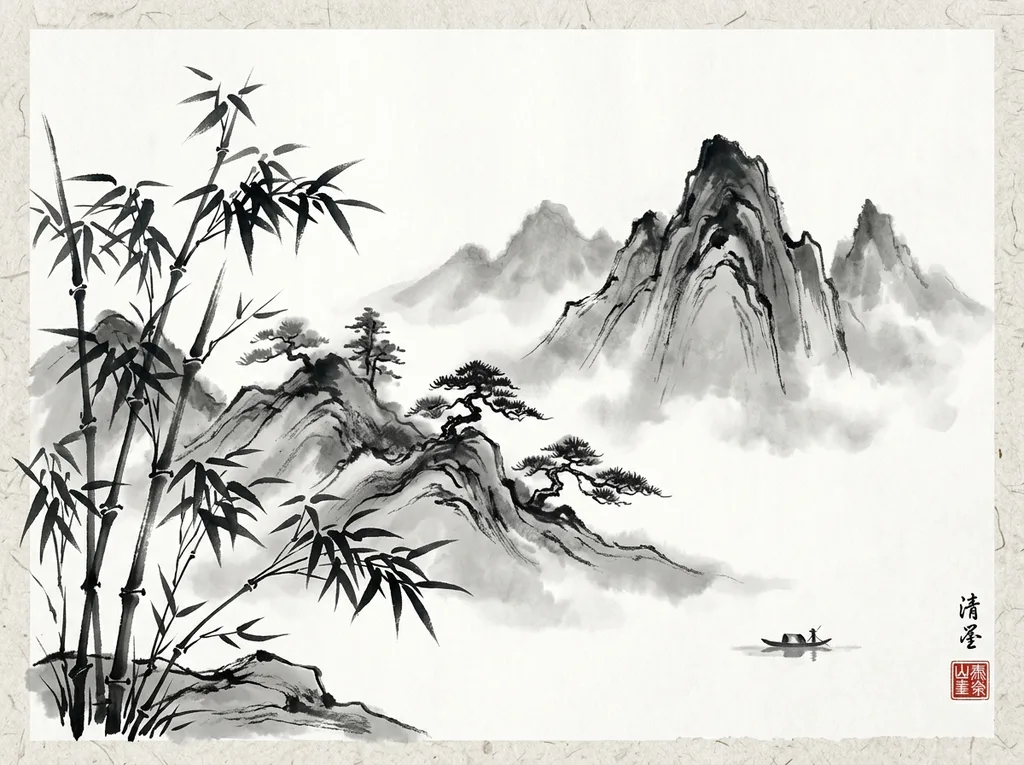
Transform any subject into a traditional Japanese sumi-e ink wash painting using ChatGPT or Gemini. Flowing brushstrokes, delicate ink gradients, and meditative negative space — generated in seconds.
Sumi-e is one of those art styles that AI was always going to be good at — and in 2026, it's quietly become one of the most requested illustration formats on AI art communities. The reason is simple: it's immediately recognisable, deeply beautiful, and nearly impossible to fake with generic prompting.
A real sumi-e painting is made with a single brush, black ink, and water. The gradations between deep black and pale grey wash are everything. Negative space is not empty — it is the subject. A mountain rendered in three brushstrokes communicates more than a photograph.
Paste this into ChatGPT (image generation), Gemini, or Midjourney:
Create a traditional Japanese sumi-e (ink wash) illustration of [SUBJECT].
Style requirements:
- Medium: black sumi ink on washi (Japanese rice paper), texture visible throughout
- Ink gradations from deep, rich black to near-transparent grey wash — no solid fills, no flat tones
- Brushstrokes are fluid, confident, and irreversible — each mark carries the energy of the gesture that made it
- Generous negative space: the unpainted areas of the composition are as intentional as the painted areas
- No hard outlines — forms emerge from tonal contrast and ink diffusion
- Ink should visibly bleed and spread at the edges of brushstrokes, creating soft, organic halos
- Composition: asymmetric, subject placed off-center following traditional Japanese proportion
- Occasional ink splatter or dry-brush texture to suggest spontaneity
Color: near-monochrome — all ink tones from white paper to deepest black. One optional subtle accent: a single wash of pale indigo, soft moss green, or warm ochre — used sparingly, never more than 15% of the composition.
Format: vertical or square (never landscape)
Mood: meditative, timeless, wabi-sabi — beauty found in impermanence and imperfection
Replace [SUBJECT] with your subject — see suggestions below.
Portrait or figure:
"A sumi-e portrait of [a person / figure description]. Focus on the face and upper body. Let ink bleeding suggest movement in the hair. The expression should be quiet and interior — not performing emotion, simply present."
Landscape:
"A sumi-e mountain landscape at first light. Mist fills the lower valley, obscuring the foot of the peaks. A single pine tree in the foreground, rendered in five brushstrokes. One small boat on still water in the middle distance. Silence."
Animal:
"A crane standing at the edge of still water, sumi-e style. The bird should be rendered with economy — as few brushstrokes as possible to suggest the form completely. The reflection in the water is lighter, softer, like a memory of the bird rather than a copy."
Cherry blossom:
"A single branch of cherry blossoms extending from the upper-right corner, sumi-e style. Blossoms are suggested with light circular washes, not painted individually. A few petals drifting loose. The background is empty washi paper."
Urban or modern subject:
"A city street corner in sumi-e style — architecture simplified into geometric ink washes, a lone figure mid-stride. Modern subject, traditional technique. The tension between contemporary content and ancient form is intentional."
Seal and text:
Add to any variation: "In the bottom-left corner, add a traditional red hanko seal stamp. Along the right edge, one line of vertical Japanese calligraphy that reads: [word or phrase] — rendered as if brushed by the same hand that painted the image."
The style works with almost anything — the technique elevates the subject rather than competing with it:
[SUBJECT]For Midjourney, add: --ar 3:4 --style raw --v 6 at the end. The --style raw flag significantly reduces Midjourney's tendency to clean up and polish, which is exactly what sumi-e needs.
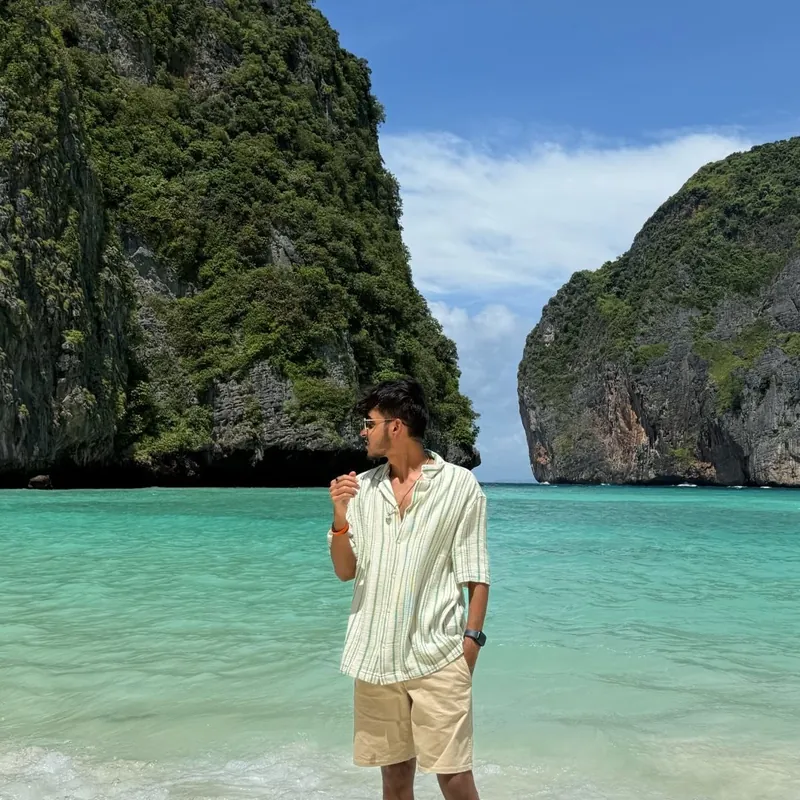
For portraits from a photo: in ChatGPT, upload your photo first, then paste the prompt. It will preserve facial likeness while translating the image into ink wash aesthetics.
Sumi-e is gaining traction in AI art communities for the same reason neo-expressionism did — it solves the over-polish problem.
AI illustration defaults to smooth, symmetrical, and over-rendered. Sumi-e is the opposite of all three. When AI produces it well, the result looks like genuine artistic intention — because the constraints of the style (monochrome, minimal strokes, negative space) force the model to make real compositional decisions rather than pattern-matching to "illustration."
There's also the cultural resonance. Sumi-e has a thousand-year lineage. Using it as an AI style brings that weight into the output. The images feel like they belong to a tradition, not just a trend.
And practically: sumi-e prints beautifully. A well-generated ink wash illustration on white paper, printed and framed, is indistinguishable from something that cost hundreds of pounds at an art fair. That gap between AI speed and perceived craftsmanship is why people keep sharing it.